Top 10 Smartphones That You Can Get Your Hands On
You want the best smartphone, right? We've whittled our constantly updated selection down to the 10 best handsets you can get your hands on right now - but after you've checked out number one, we've still got plenty of other options to feast your eyes on.
We've all got at least one mobile phone each, right? We've probably got about three or four nowadays, and that counts giving your old Nokia 3310 to your Mum a few years ago.
But while you used to be able to just bank on the new Nokia or always get the next Sony Ericsson because it had a half-decent camera, there are now so many great options out there from loads of manufacturers.
The trouble is, how do you decide which is the best one for you?
Well, this is where we make it easy: we've played with nearly every device on the market and have found the ten best you can spend your money on. It needs to be good, after all, given it will reside in your pocket for the next two years.
10. Motorola Moto G
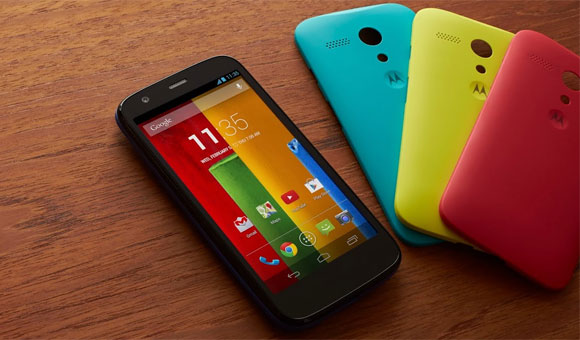
Review
9. Sony Xperia X1 Compact

Review
8. IPhone 5S

Review
7. Google Nexus 5
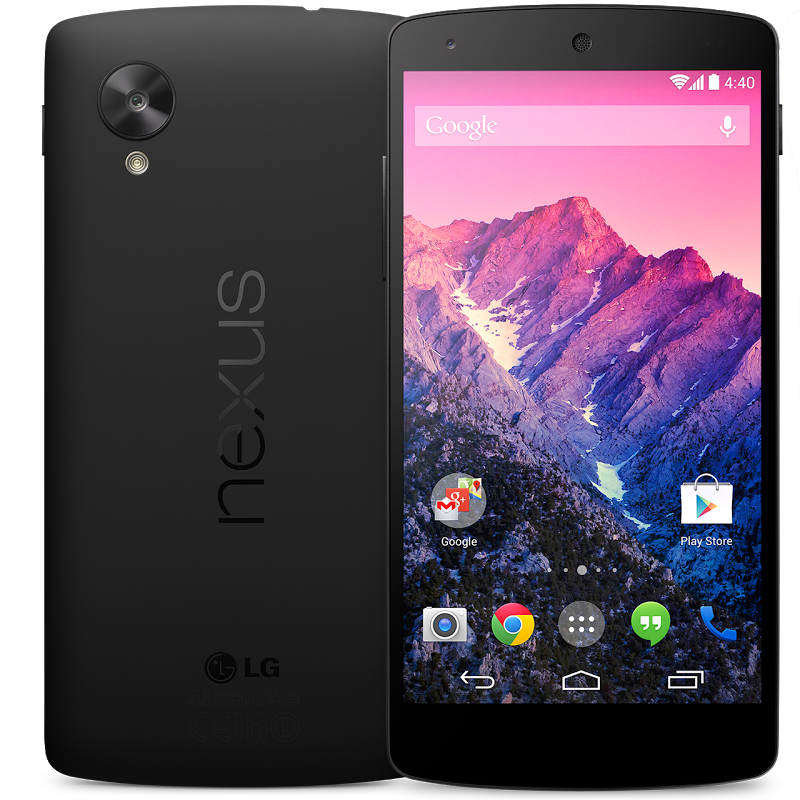
Review
6. Sony Xperia Z2

Review
5. Samsung Galaxy S5

Review
4. LG G2

Review
3. One Plus One

Review
2. HTC One (M8)

Review
1. LG G3

Review
Enjoy Your Shopping !
Challenges Ahead For Mobile Technology In Education Development
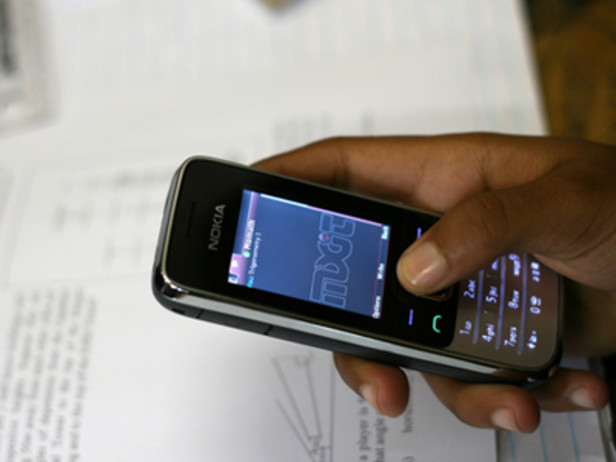
A student uses a Nokia cellphone to do math during a class in South Africa. The United Nations Educational, Scientific and Cultural Organization believes it's time for the widespread use of mobile phones in educational development.
From micro-finance to agriculture, mobile phones are common tools in development programs.
However, many organizations that use these services are finding out the solutions they provide don’t have the same applications as in other sectors — that’s why UNESCO believes it’s time for the widespread use of mobile phones in educational development.
This U.N. agency is now implementing four different pilot projects in partnership with Nokia in Nigeria, Mexico, Senegal and Pakistan, aimed at “enhancing the role of teachers in developing world,” using mobile phones to deliver educational content. UNESCO would like to scale up the programs that have proven to be more successful, but numerous challenges stand in the way.
“The promise here is to reach a large number of [people] in a cost-effective way,” Mark West, UNESCO project officer for teacher development and education policies, told Devex at the European Development Days in Brussels, where ICTs have been central in the debates over the future of development cooperation.
Pushing a cultural shift
Why hasn’t the potential of mobile devices in education been fully realized? The question seems to be more cultural than technological.
“Mobile technologies have been viewed historically as entertainment devices whether they are distracting and a sort of antithetical to education,” explained West, who added there signs that indicate a relevant shift in the attitude from mobile devices being strictly banned in formal learning environments, to governments making large purchases of PCs and tablets.
In UNESCO’s view, mobile technology will not certainly replace the right to high-quality education, but it can open up great learning opportunities to who have no access to any kind of education at all.
Scaling up
The evaluation process of the four pilot programmes is ongoing, but UNESCO — which recently published new policy guidelines for mobile phones in education — considers them very promising.
West couldn’t provide figures or prospects for future investment yet, but the intent of scaling up the programs is clear.
UNESCO is also currently discussing a partnership with China for the implementation of educational programs in certain African nations, where mobile learning can be included as one of the educational tools made available to students.
“We are currently assessing the needs, meeting with different stakeholders and with teachers’ training institutions,” said West.
The UNESCO project officer believes the four pilot programs are showing how crucial private-public partnerships can be, and Nokia is giving them practical advice and tips on solutions to overcome many of the major implementation constrains.
“The partnership is mutually reinforcing,” he said of a relationship with the Finnish manufacturer, who is expected to help bring more private partners on board.
Challenges ahead
But what are the major obstacles to enhancing the role of mobile phones as learning tools?
- Familiarity with ITCs. For instance, this is a major challenge in the program in Nigeria. Even if many teachers already own and know how to use the devices, they are unaware of all the features of the operating systems or how to correctly connect to the Internet. “ICT literacy can be a little bit tricky … you have to invest in that … [so the] teachers [can] learn,” noted the UNESCO project officer.
- Mobile phone habits differ from country to country. In some partner countries, people use as many as four or five SIM cards to avail of the different promotions offered by the service providers, thus constantly changing their numbers. This in turn requires technical adjustments in the way education contents are accessed. “We didn’t — I wouldn’t say — underestimate, but recognize how often people are going to change the SIMs,” said West.
- Connectivity. Even if network coverage is improving quickly — in Nigeria, for example, 90 percent of the population is covered — there are still black spots. According to West, the question is, again, training users: “When there is no connectivity, some people just say ‘That doesn’t not work,’ [so we taught them] to be more persistent with the service, that they have to try in different locations, different places [or times], and eventually it will work,” noted the official.
- Who foots the hardware bill? “Those are tricky discussions and conversations. Should every teacher in project have the same phones? This is not fair, people have different hardware,” said West. “In Nigeria, UNESCO provided teachers with the phones. But we obviously can’t [do that in] all elementary school teachers … There’s no hardware producer that could ever afford to do that … so we hope that people will use their own mobile handsets.”
- Data cost. Even if the service itself is free, there are always connection costs. UNESCO provided mobile credit, but a cent can mean dollars at the end of the month. There have been experiments with free access certain contents, like Wikipedia has been doing. “That’s quite unique and requires a tremendous amount of negotiations, signing contracts … that’s a huge endeavour. Wikipedia had the resources to do that … We hope in the future that is a possibility and becomes a kind of common model for [providing free content] to teachers and students,” concluded the the U.N. agency’s project officer.
Well Known Mobile Phones Of All times
- Motorola DynaTAC, the first ever mobile phones
- Motorola MicroTAC the first Flip phone


- Nokia 3310, well known for being "indestructible"


- Nokia 1100, the best-selling ever mobile phone of all time
- Motorola RAZR V3, the slim Flip phone that boost up the Motorola mobile phone business as much as 53% ever by Year-of-Year.
- Sony Ericsson K750i
- Nokia Nseries, the popular smartphone series from Nokia
- IPhone

- BlackBerry, most popular smartphones with physical QWERTY keyboard

- Motorola Milestone, the first Android-powered by Motorola. Can even upgrade to Android 4.1.
- HTC HD2 can "mod" to various operating systems


- Samsung Galaxy Note series, most popular Android Phablet


- Google Nexus Series Low cost, high end devices released by google, through partnerships with various manufacturers


No comments:
Post a Comment